CIS
Customer Information & Experience
Connect applications, contracts, readings, billing and collections through the meter-to-cash cycle, with every interaction retained in one customer history.
ExploreUMARP connects fragmented systems and data across water, natural gas and electricity utilities. From customer service and meter reading to fieldwork and finance, teams work with consistent, validated information to reduce revenue leakage and manage operations with confidence.
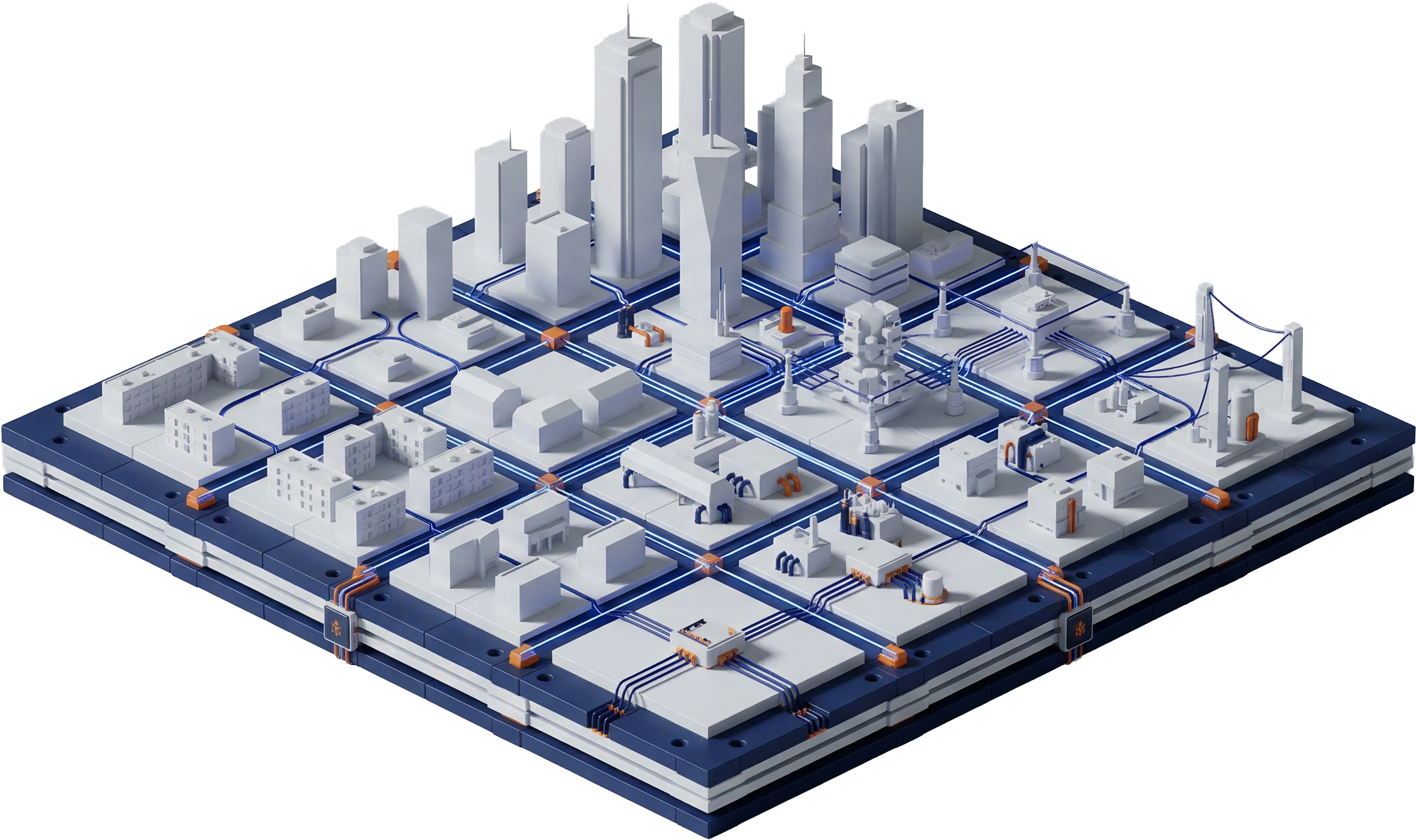
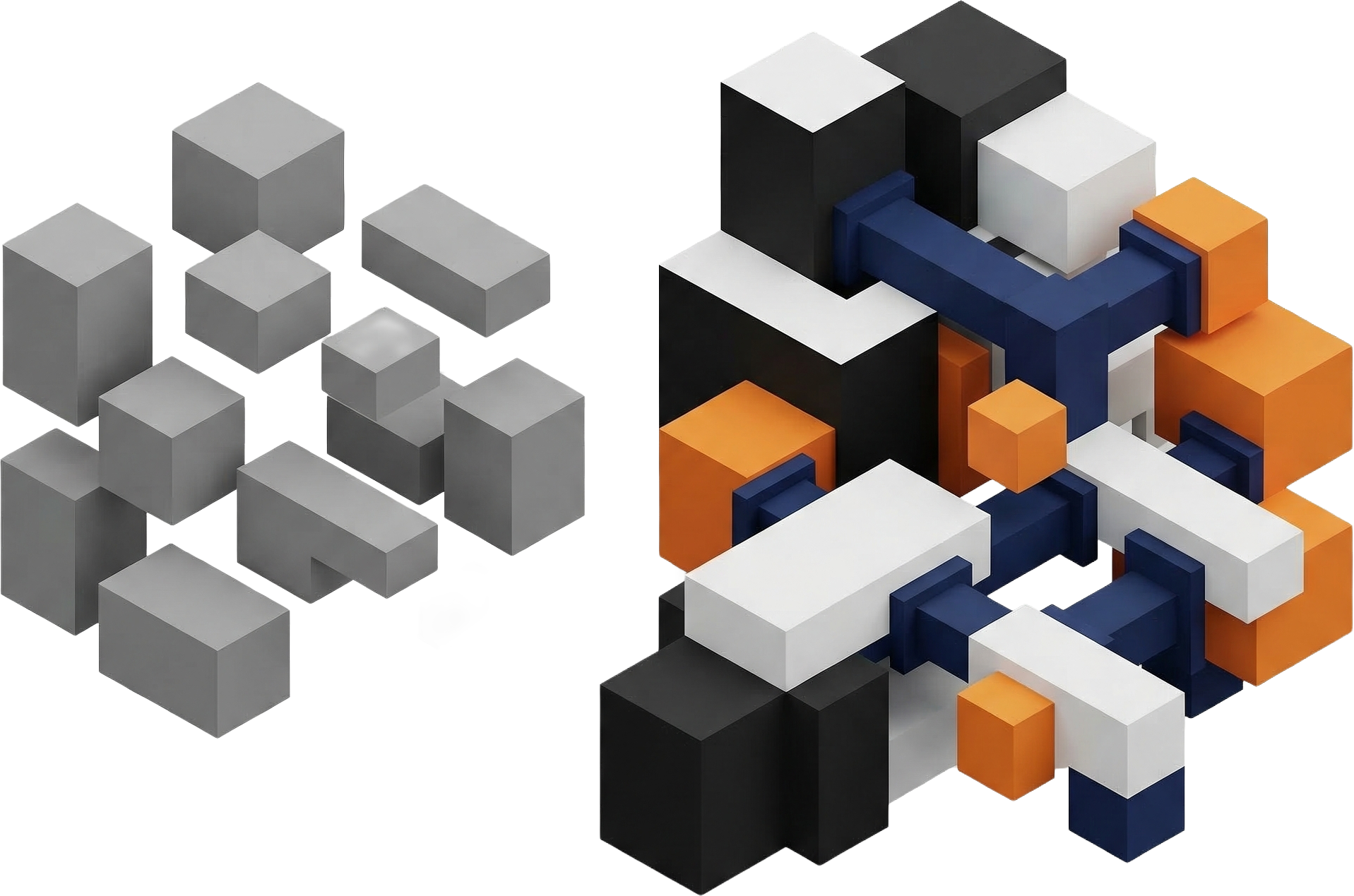
Accounting, field teams and customer service often work in different systems with different versions of the same information. These gaps delay decisions and make it harder to understand what is happening on the network.
Rigid, monolithic systems make regulatory and operational changes difficult to introduce without affecting the wider platform.
Each integration adds another layer to manage. Over time, maintaining connections can take resources away from running the utility.
Licenses, consulting, vendor dependencies and version compatibility add to the total cost of ownership over time.
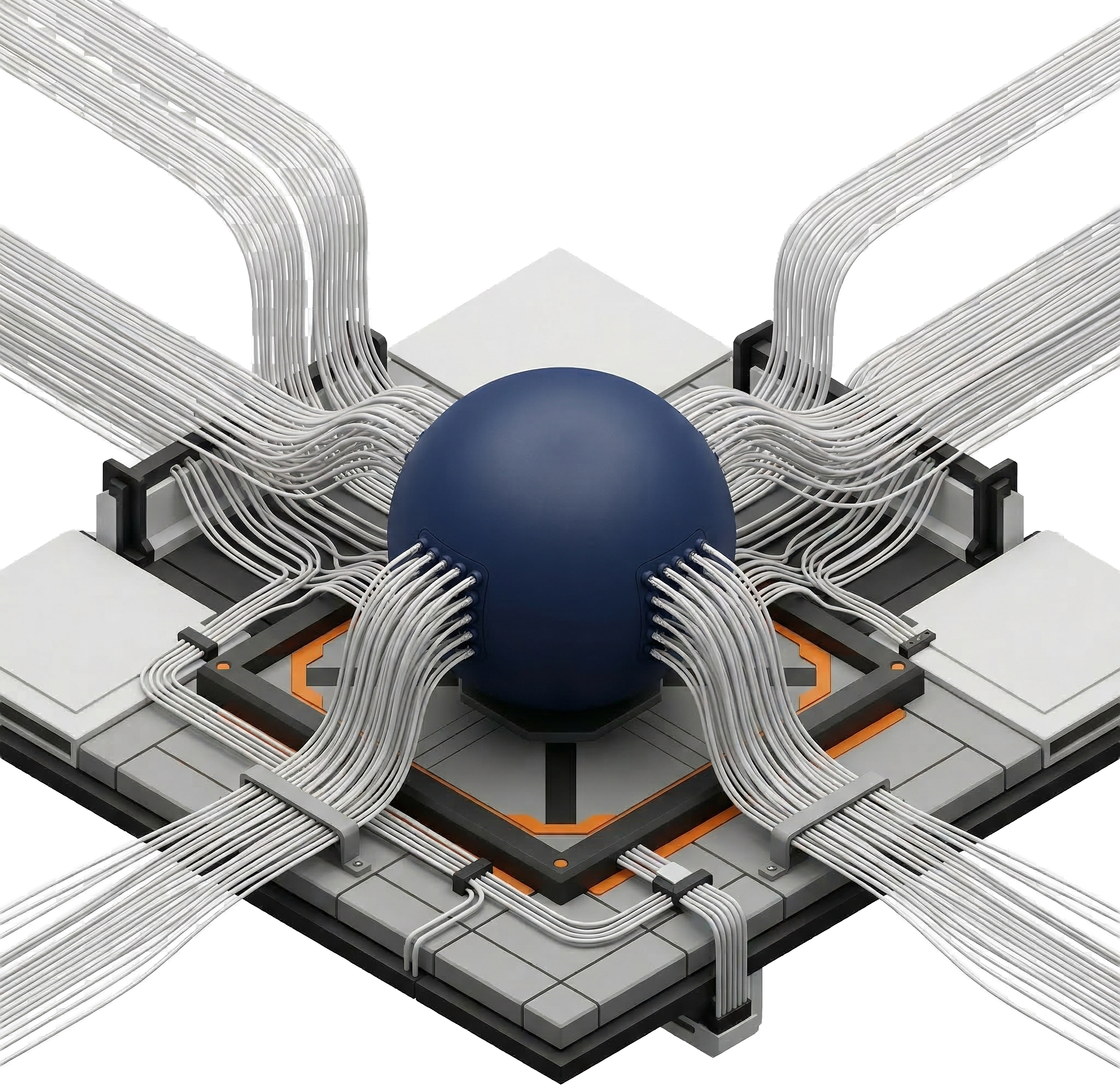
A single source of truth gives teams consistent, up-to-date information without maintaining competing copies. It provides a reliable foundation for decisions across the many systems and data types used in utility operations.
Distributed services, high availability and a modular design support long-term reliability. Each layer uses technology suited to its purpose, making it easier to introduce new capabilities in controlled stages.
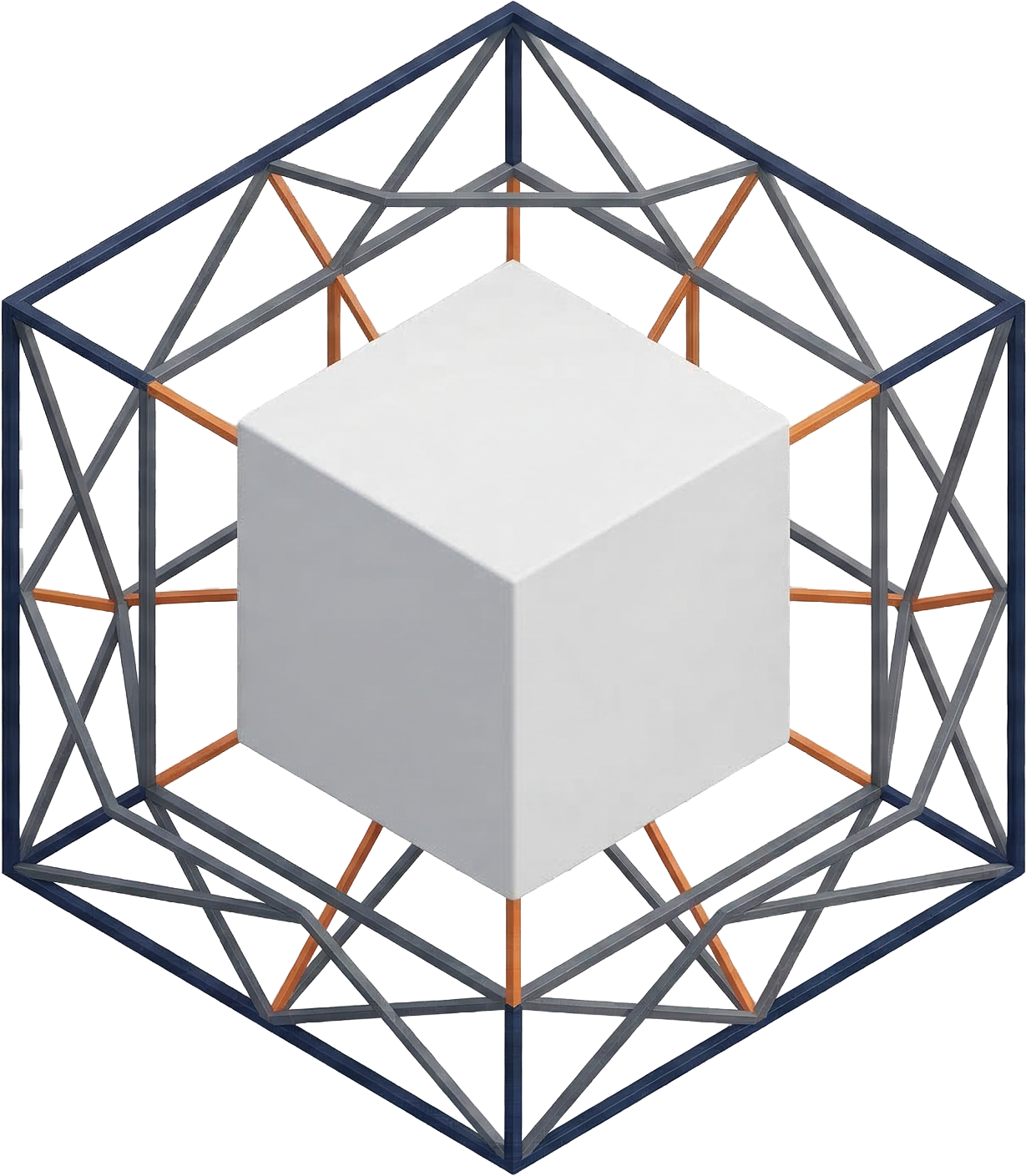
Develop, test and scale loosely coupled services independently, containing failures within defined service boundaries.
Autoscaling, service discovery, self-healing and uninterrupted rolling deployments.
Use PostgreSQL for transactional integrity, MongoDB for flexible document storage and Redis for fast in-memory access.
Apache Kafka and REST-based services support high-volume data exchange across connected workflows.
Each component supports a specific business function and shares its data with related workflows. Connect fieldwork to collections and measurements to investment decisions.
Connect applications, contracts, readings, billing and collections through the meter-to-cash cycle, with every interaction retained in one customer history.
ExploreManage asset life cycles and costs with a digital twin. Understand how a valve failure could affect pipelines, customers and critical facilities.
ExploreGIS is built into the platform. Assets, customers, work orders and investment plans use a shared geographic reference and network model.
ExploreWork offline, assign jobs intelligently and verify completion with photos, signatures, locations and timestamps.
ExploreValidate raw readings for billing and analysis. Use district metered areas and network zones to focus loss investigations where the evidence points.
ExploreConnect operational activity to financial records. Monitor budgets, verified progress payments and performance indicators using consistent data.
ExploreConnect applications to contracts, meter readings to billing, fault reports to repairs and material use to accounting. Every step retains its link to the wider workflow.
Bring applications, contracts and service installations into one customer workflow.
Collect, validate and complete readings before they are used in business processes.
Manage charges, exceptions and payment channels with a clear transaction history.
Assign work, capture records offline and verify completion with location and time-stamped evidence.
Manage maintenance, faults and asset life cycles in the context of network locations and connections.
Use budget, progress payment and KPI dashboards to support informed decisions.
Identity, access controls and logging are part of the platform design, supporting the resilience and accountability required by critical infrastructure.
IAM / RBAC, segregation of duties, compliance with Türkiye’s Personal Data Protection Law (KVKK) and a zero-trust approach. Every access is verified and logged.
Horizontal scaling supports high transaction volumes during peak billing, collection and application periods.
High availability, load balancing and centralized observability support early diagnosis and rapid response.
Connect e-Government, bank collection services, EPDK reporting, electronic document management, SCADA and smart meter networks through open standards.

Connect network operations, public spending, tariff decisions and audit evidence to support accountable service delivery.
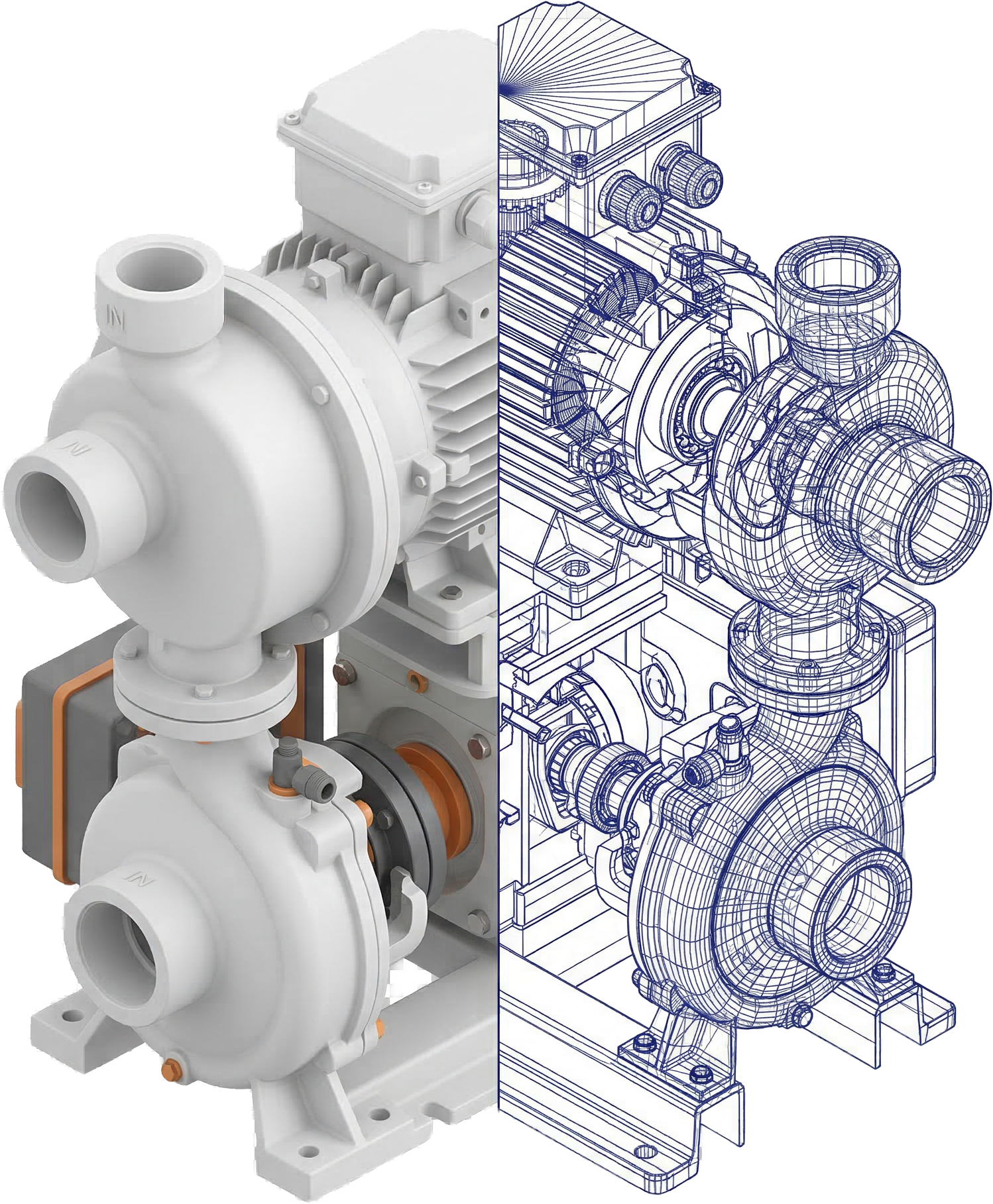
Manage EPDK compliance, service quality, investment obligations and financial performance using connected records.
Separate licenses, databases and integration projects can make it difficult to move between suppliers. UMARP uses open standards to preserve control over organizational data and technology choices.
SAP, Oracle, Infor, Maximo, Cityworks…
UMARP helps teams build a more consistent way of working. Reliable records, traceable workflows and evidence-based decisions support daily operations across the organization.