The UMARP Difference

Specialist capabilities are stronger when they work together

UMARP connects customers, assets, maps, fieldwork, meter data, finance and compliance through shared data and workflows.

ERP, CIS, EAM, GIS and field service products each offer specialist capabilities. Utilities need those capabilities to work as one end-to-end operating model, without making a growing portfolio of integrations the center of daily operations.

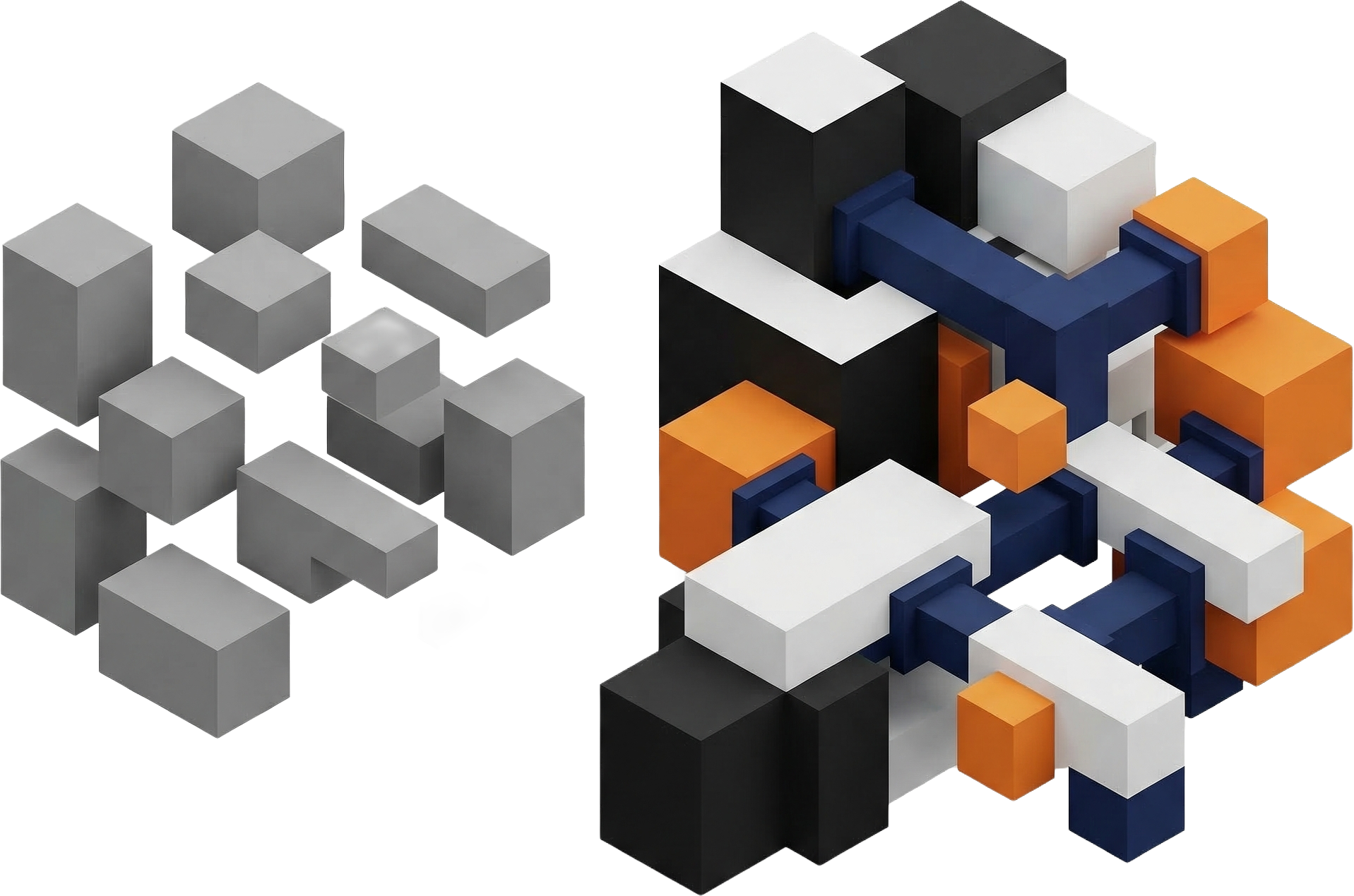
Illustration of disconnected systems becoming a coherent utility platform
Less integration overheadComponents share data directly within the platform
Control stays with your organizationRetain control of data, processes and technology choices
Product Categories

Five specialist categories and their typical boundaries

01

Enterprise ERP Platforms

Strengths: finance, budgeting, procurement and enterprise process management.

Typical boundary: network topology, meter data and field operations sit outside the core; utility workflows rely on customization and additional products.

02

Utility CIS Solutions

Strengths: customer information, billing and customer experience.

Typical boundary: assets, GIS and finance often sit in separate products, making the customer-to-network-to-finance connection dependent on integration.

03

Specialist EAM Platforms

Strengths: maintenance, reliability and asset life-cycle management.

Typical boundary: customer accounts, billing, collections and finance are generally outside the core scope, delaying visibility of financial impacts.

04

GIS Platforms

Strengths: topology, location and spatial analysis.

Typical boundary: a mapping platform needs connections to other systems for work orders, stock, customer records and accounting.

05

Field Service Solutions

Strengths: mobile teams, work orders and field evidence.

Typical boundary: the impact of fieldwork on asset life, stock, progress payments and accounting is completed in other systems.

UM

Where UMARP Fits

Integrated utility management: CIS, EAM, GIS, FOM, MDM, Finance and Compliance work together using shared data.

Built-in local regulatory support: SKB, EPDK, VUK/TFRS, e-Defter, e-Fatura, UBL-TR, MERNIS and MAKS are part of the platform scope, rather than separate adaptations.

Capability Comparison

The difference is in the connections between capabilities

CapabilitySeparate Specialist ProductsUMARP
Customers and billingStrong CIS functionality; other workflows connected through integrationA standard platform component
Assets and networksStrong EAM/GIS functionality; revenue workflows remain separateAssets, maps, fieldwork and financial impacts connected
Field operationsStrong mobile work orders; stock and payment links require additional workWork orders, evidence, stock, acceptance and payment linked in one audit trail
Meter data and lossesDedicated MDM/DMA products may be neededMeasurements, billing, fieldwork and investment decisions connected
Finance and budgetsStrong ERP functionality; field and network links require customizationOPEX, CAPEX, progress payments and tariff inputs connected
Turkish regulatory requirementsOften addressed through individual projects and adaptationsSKB, EPDK, VUK/TFRS and public-service integrations included in scope

This comparison describes product categories; individual products differ in scope. The key consideration is how many separate integrations your organization will need to operate and maintain.
The Cost of Fragmented Systems

Integration overhead can become an operating burden

License fees are visible at procurement. The longer-term cost grows through integration, version compatibility, inconsistent data, middleware monitoring and the cost of moving away from a vendor.

The key difference: By designing components to work on the same platform, UMARP removes a substantial part of the integration requirement at its source.
01Multiple products

CIS, EAM, GIS, FOM, ERP and reporting tools are purchased separately.

02Middleware

APIs, message queues, data transformation, mapping and synchronization add complexity.

03Operational overhead

Tracing data errors and assessing the impact of version changes become daily tasks.

04Exit costs

Organizational data, process knowledge and reporting logic are spread across products.

The UMARP Difference

Three areas of practical value

Integrated by design

CIS, EAM, GIS, field operations, MDM, finance and compliance are designed as connected parts of one platform.

Regulatory support as standard

The platform scope includes SKB, EPDK, VUK/TFRS, e-Defter, e-Fatura, UBL-TR, MERNIS and MAKS requirements.

More predictable ownership costs

Reduce overlapping licenses, extensive customization, middleware and version-compatibility costs, with investment phased over time.

What to Evaluate

Compare operational outcomes, not just product names

A module checklist alone does not explain UMARP’s value. Evaluate how the platform supports end-to-end traceability, data integrity, evidence for regulatory review and the total cost of ownership.

01Consistent dataHow many separate copies of customer, asset, meter, address and financial records must be maintained?
02End-to-end traceabilityCan you trace fieldwork to billing, stock to progress payments and measurements to tariff submissions without gaps?
03Local complianceAre Turkish regulatory requirements included as standard or delivered through separate projects?
04Freedom to moveCan your organization manage its data and process knowledge independently of the vendor?
Illustration of the transition from a closed architecture to an open platform under organizational control
Practical value comes from fewer dependencies and clearer operational accountability.
Next Step

Let’s compare the options for your organization

We can assess where UMARP adds value against your current products, integrations, licenses, regulatory obligations and target operating model.

  • Inventory current systems and integrations
  • Compare CIS, EAM, GIS, FOM, MDM, Finance and Compliance coverage
  • Develop a roadmap for ownership costs, vendor independence and phased transition