Open, scalable architecture for critical infrastructure
Critical operations need more than working software. They need a platform that stays available under peak demand, supports controlled change and preserves the freedom to choose technologies.
UMARP combines modular services, event-driven processing, open integration standards and operational observability to support the demands of water, natural gas and electricity utilities.
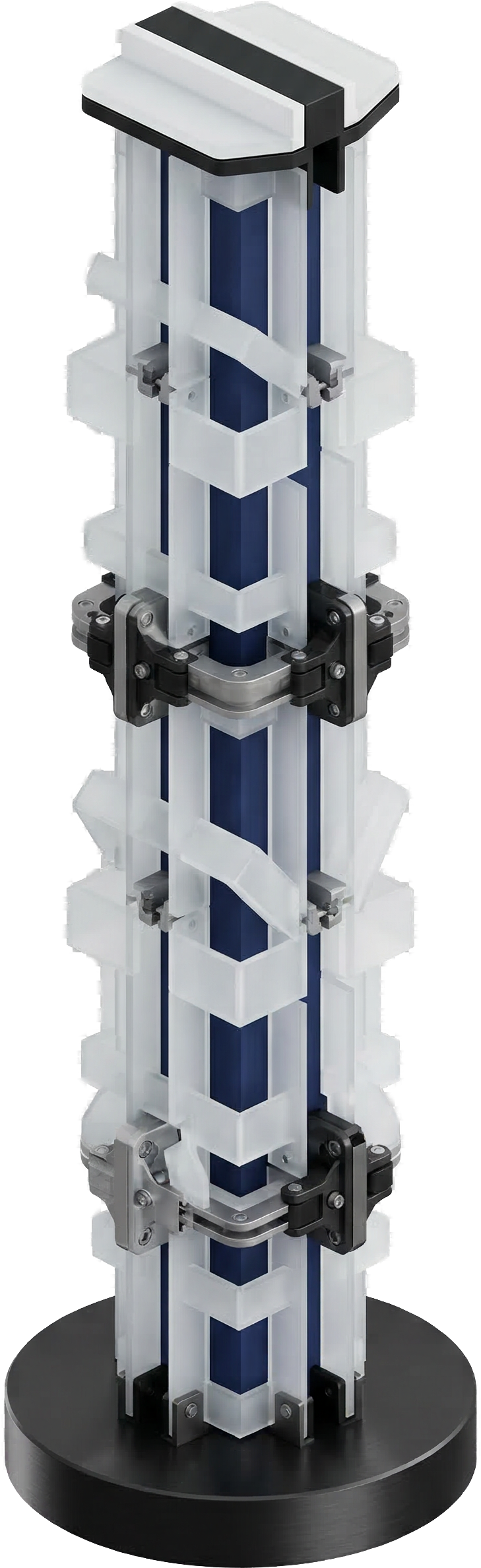
Distributed servicesServices scale independently, with failures contained at service boundaries
Open integrationYour organization retains control of its data and technology choices
Architecture Principles
Operational needs guide every design decision
01Maintain service levels
Protect the user experience and transaction continuity during billing runs, bulk meter reads, emergencies and peak field activity.
02Manage change safely
Apply regulatory, tariff, integration and workflow changes within the relevant services and rules, without stopping the entire platform.
03Contain failures
A fault or surge in demand in one component is contained so other functions can continue. Issues can be diagnosed, mitigated and rolled back.
04Reduce vendor dependence
Open standards, portable services and purpose-built data stores avoid locking the organization into a single vendor, product or database.
Architecture Components
Clear layers make complexity manageable
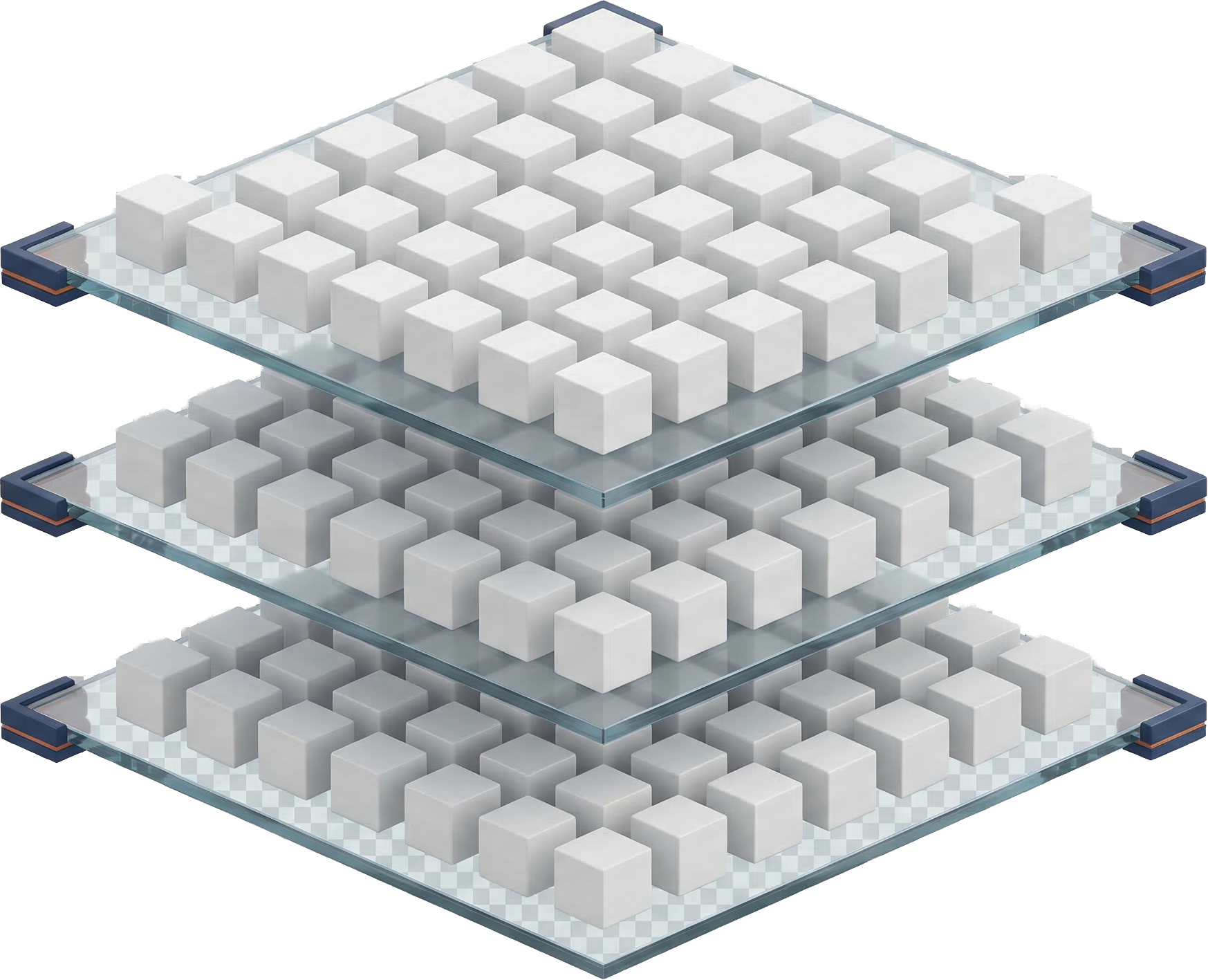
UMARP separates user experience, business services, data flows, integration and operational monitoring into distinct layers. Each can evolve independently while the platform maintains a consistent operating model.
01Micro-frontendsUpdate interfaces for individual business areas independently while maintaining shared design and access controls.
02Core servicesCIS, EAM, GIS, FOM, MDM, Finance and Compliance services are loosely coupled and share end-to-end transaction traceability.
03Event backboneMeter readings, field activity, customer interactions and financial events move through managed queues with reliable delivery and traceability.
04Data layerRelational, spatial, document and time-series data are managed in stores suited to their requirements.
Layers are managed independently while data integrity and transaction traceability remain consistent across the platform.
Runtime and Service Continuity
Kubernetes keeps services running reliably
Reliable critical infrastructure requires more than powerful servers. Capacity management, deployment, fault tolerance, rollback and monitoring must be built into the architecture.
ScalingAdd capacity where demand growsScale individual services during peaks in billing, payment collection, meter reading and reporting.
ResilienceRecover from service failuresContainer orchestration restarts unhealthy instances and adjusts traffic routing.
DeploymentRelease changes incrementallyIntroduce new versions through controlled rollouts and rollback strategies that limit risk to the wider platform.
IsolationContain risk within each componentHigh demand on one service does not interrupt other critical customer, field or financial workflows.
MonitoringTrace incidents to their sourceCentralized logs, metrics and traces support incident management based on evidence rather than assumptions.
Data and Integration
The right store for each data type. Defined contracts for every integration.
Field, meter, customer, financial and regulatory data arrive from different sources and come together to support reliable decisions.
Event-driven data flows: Meter readings, work orders, payments, billing, faults, stock movements and audit actions are exchanged as events. Traceable flows replace fragile chains of systems waiting on each other.
Purpose-built data stores: Customer and financial records can use relational storage; network and address records use spatial models; meter and sensor readings use time-series storage; documents and evidence use document stores. All contribute to a consistent management view.
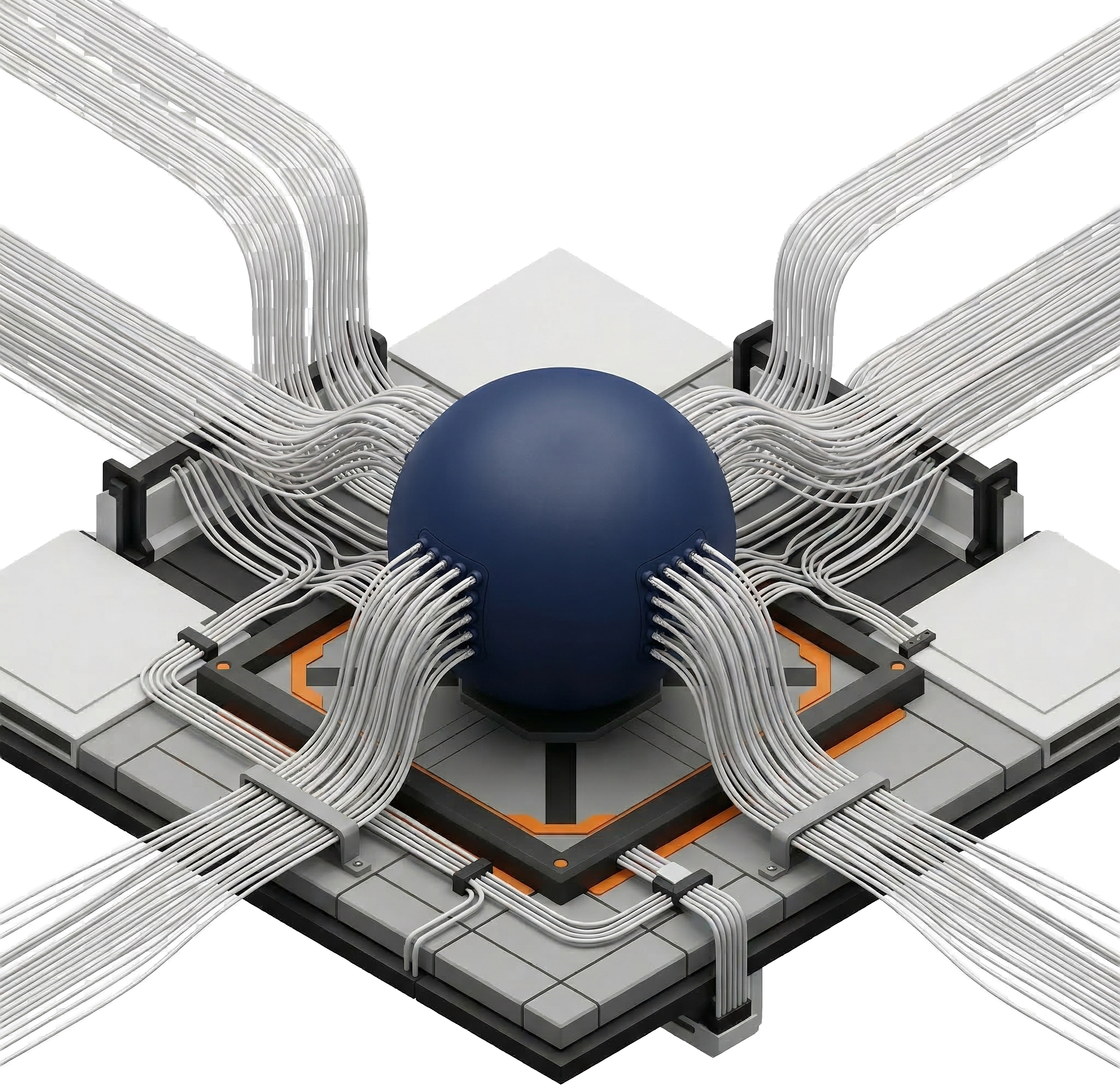
API gateway: Connections to MERNIS, e-Government, banks, MAKS, SCADA, ERP and third-party systems pass through authentication, authorization, rate limiting, logging and monitoring controls.
Architecture insightOpen APIs and event contracts preserve control over organizational data while reducing integration costs and vendor dependence.
Security, Access and Audit
Security is built into the design
01Identity and accessManage identity, role-based access, segregation of duties, approval matrices and access-change records centrally.
02Encryption and network boundariesProtect service-to-service traffic, external access, sensitive data and integration endpoints through secure channels.
03Audit trailIdentify who changed a record, when they changed it and which permissions authorized the action.
04ObservabilityCentralize metrics, logs and traces so root-cause analysis does not depend on searching disconnected tools.
Reliable operations start with visibility
UMARP’s architecture supports measurable, traceable and auditable production operations. Managers see service levels, technical teams see logs, metrics and traces, and auditors see transaction evidence—all from the same platform.
A Different Approach
Three design choices that reduce lock-in
01
Reduce vendor dependence
Prioritize open standards, portable services and data contracts controlled by the organization over proprietary databases and mandatory licensing models.
02
Prepare for future needs
Add 5G, IoT, AI, digital twins, smart meters and new integrations without relying on changes to a single monolithic system.
03
Deliver value in stages
Prioritize services that deliver tangible value instead of a single large deployment. Achieve early results and expand with feedback from operations.
Architecture by Sector
A shared architecture for different operational demands