Asset Inventory
Identify and classify your assets
Record pipelines, valves, stations, meters, pumps and transformers with specifications, installation dates, warranties and locations. Keep the asset hierarchy aligned with network topology.
Connect the condition of your network with its financial performance.
Pipes, transformers, pumps, valves and stations form the network that keeps services running. UMARP EAM brings their locations, maintenance, faults, investments and costs into one asset management model.

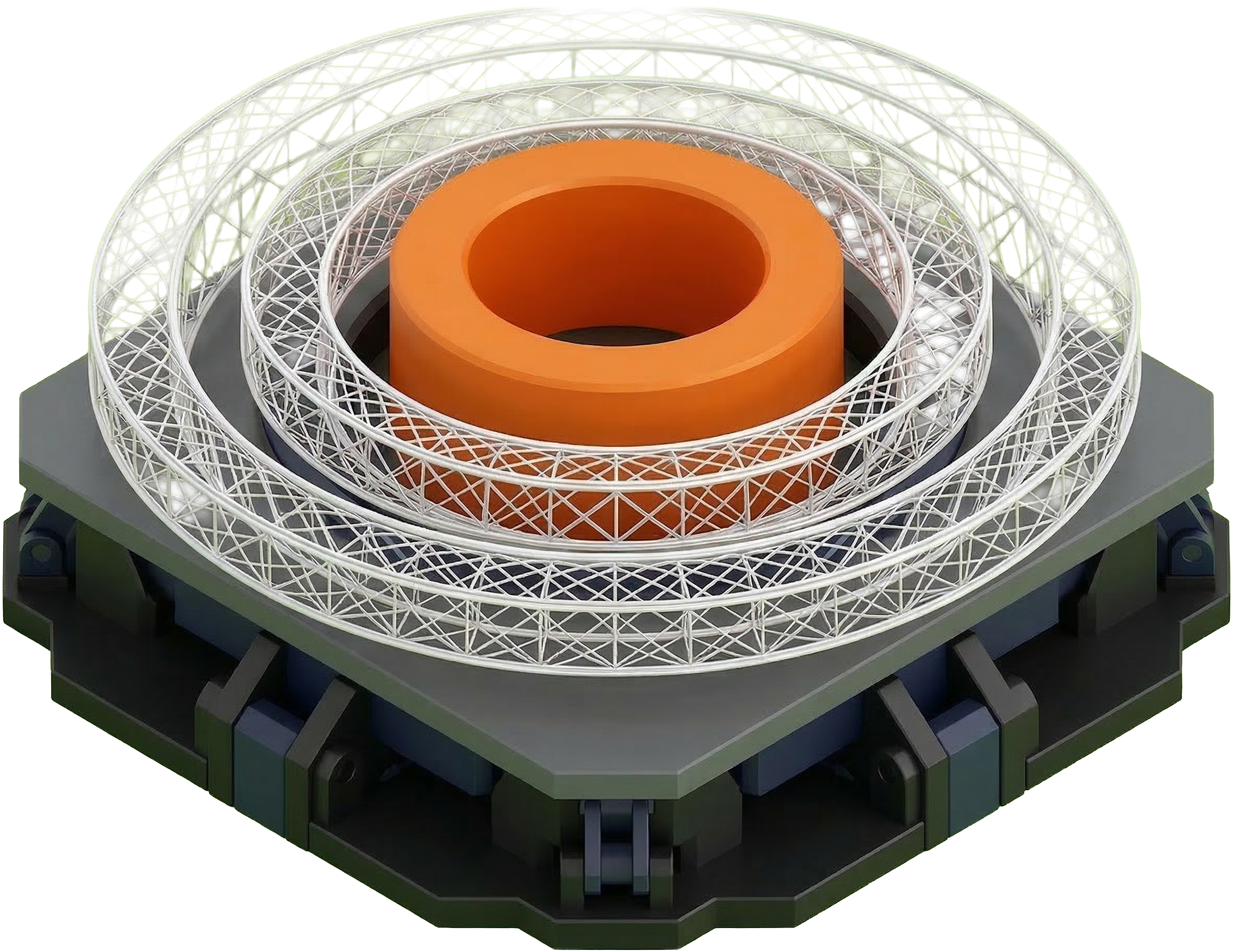
UMARP EAM connects technical asset records with financial records. Track maintenance, repairs and construction alongside materials, crews, measured quantities, progress payments and costs.
Move beyond knowing what assets you own. See which are deteriorating, where risks are growing, which investments will improve continuity and where budgets can deliver the greatest value.
Digital twin insightA useful digital twin represents network connectivity, service impacts, maintenance history and risk relationships as well as the physical asset.
Record pipelines, valves, stations, meters, pumps and transformers with specifications, installation dates, warranties and locations. Keep the asset hierarchy aligned with network topology.
Connect periodic maintenance plans, meter replacement programs and condition-based maintenance to work order creation. Asset maintenance histories support life-cycle analysis.
Keep fault reports, field responses, materials and resolution times together. Identify recurring failures by asset and use the evidence to choose between repair and replacement.
Track investment projects through schedules, measured quantities, site verification and payment approvals. Reduce the risk of paying for work that has not been verified on site.
Keep fixed-asset records, depreciation and revaluation aligned with technical life cycles. Investments in the regulated asset base use consistent data in accounting and tariff processes.
Manage vehicles, machinery and measurement equipment through maintenance schedules, assignment records and usage histories. Plan field capacity using current resource data.
EAM assets have geographic identities in GIS. Maintenance needs become FOM work orders, while materials and progress payments feed ERP records. Technical histories and financial values remain connected.
Manage valves, regulators, stations and pipelines alongside risk relationships, maintenance histories and investment delivery. Keep the regulated asset base current and supported by evidence.
Explore natural gas → Water and WastewaterAssess energy costs, maintenance history and failure frequency together. Direct renewal budgets to the needs identified by the data.
Explore water and wastewater → ElectricityLink asset histories to outage impacts and service quality metrics. Use consistent evidence to justify investments against continuity objectives.
Explore electricity →We can assess asset inventories, maintenance and fault workflows, investments, progress payments, GIS/FOM/ERP connections and regulatory reporting requirements.